

The problem it solves
Fragmented Interview Tools
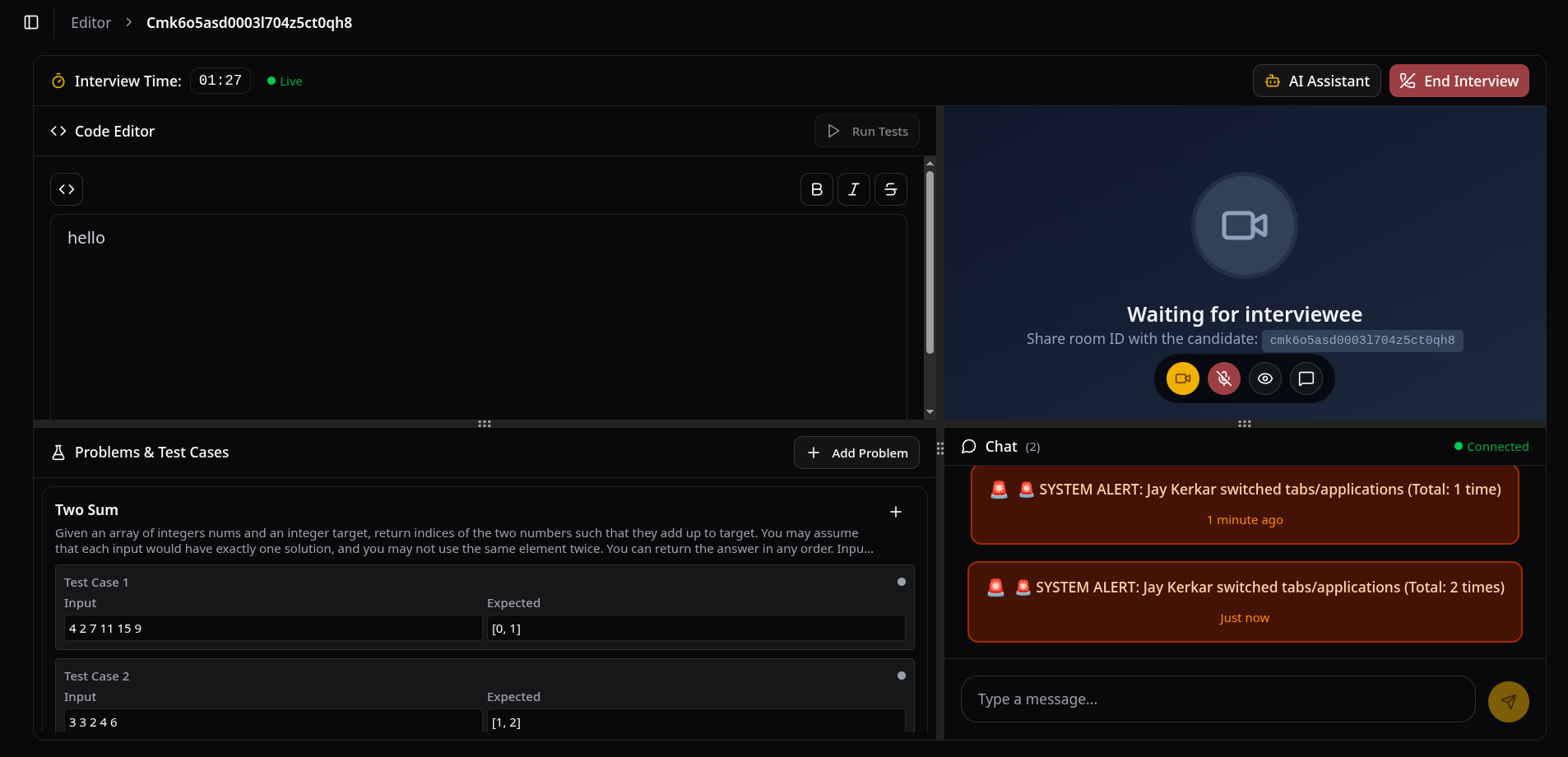
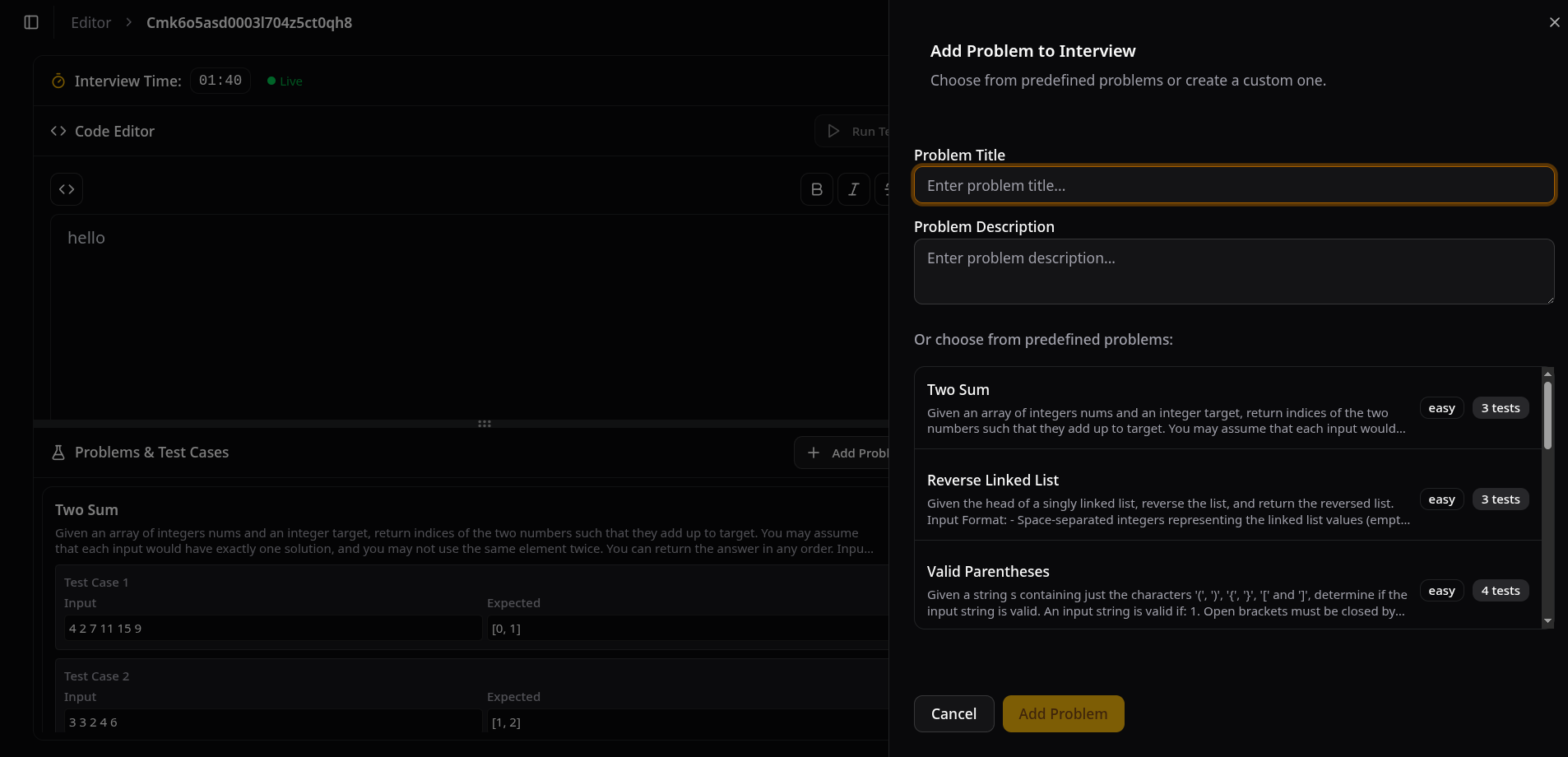
Technical interviews often require multiple disconnected tools for scheduling, coding, video calls, and evaluation.Lack of Real-Time Collaboration
Many platforms fail to provide smooth, low-latency collaborative coding with proper version tracking.Unfair or Incomplete Evaluation
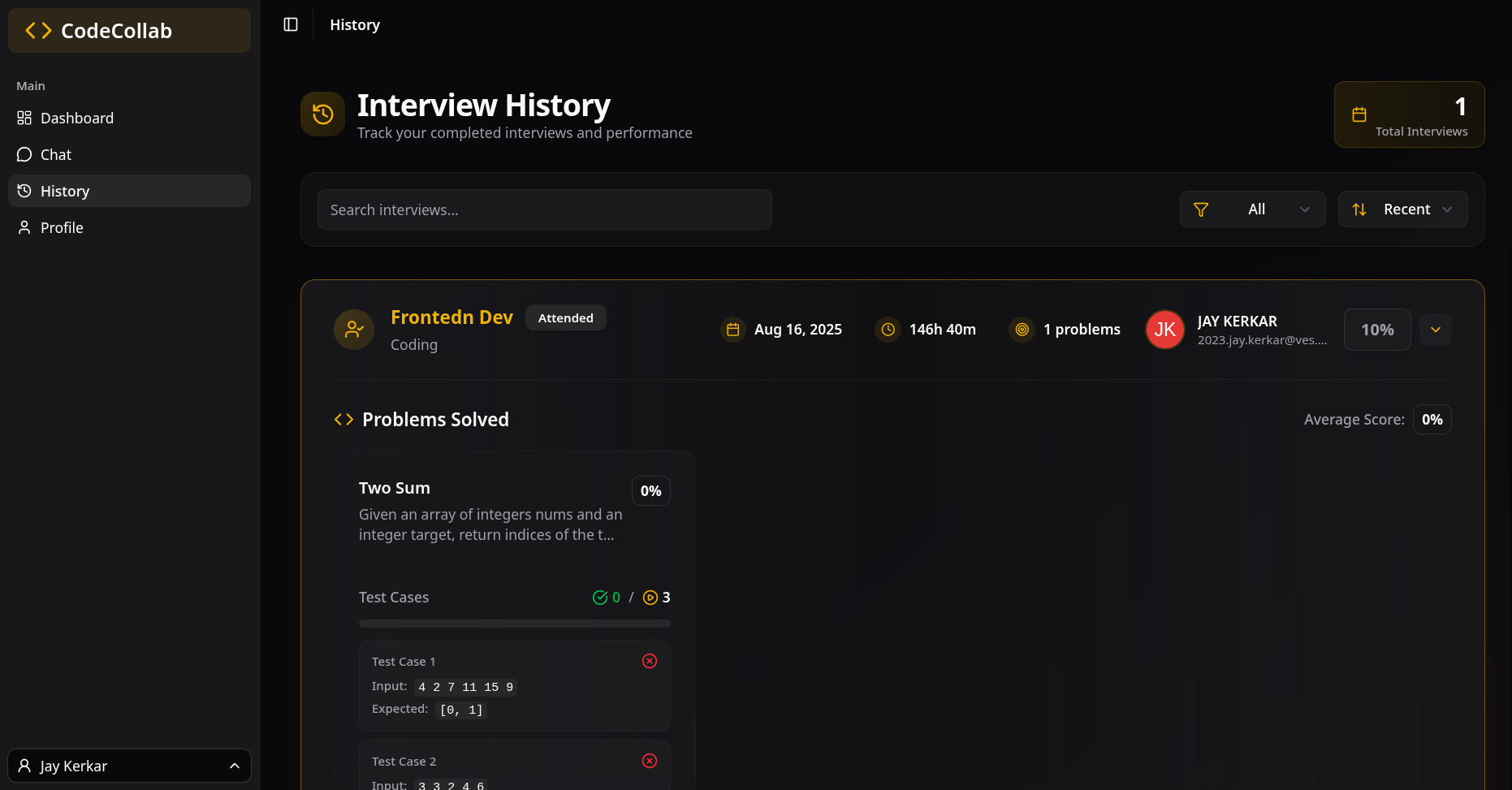
Manual scoring and limited analytics make it hard to accurately assess problem-solving skills and performance.Cheating & Integrity Issues
Existing solutions lack strong, real-time anti-cheat mechanisms during remote interviews.Poor Interview Experience
Candidates and interviewers face friction due to unstable setups, accessibility gaps, and delayed feedback.
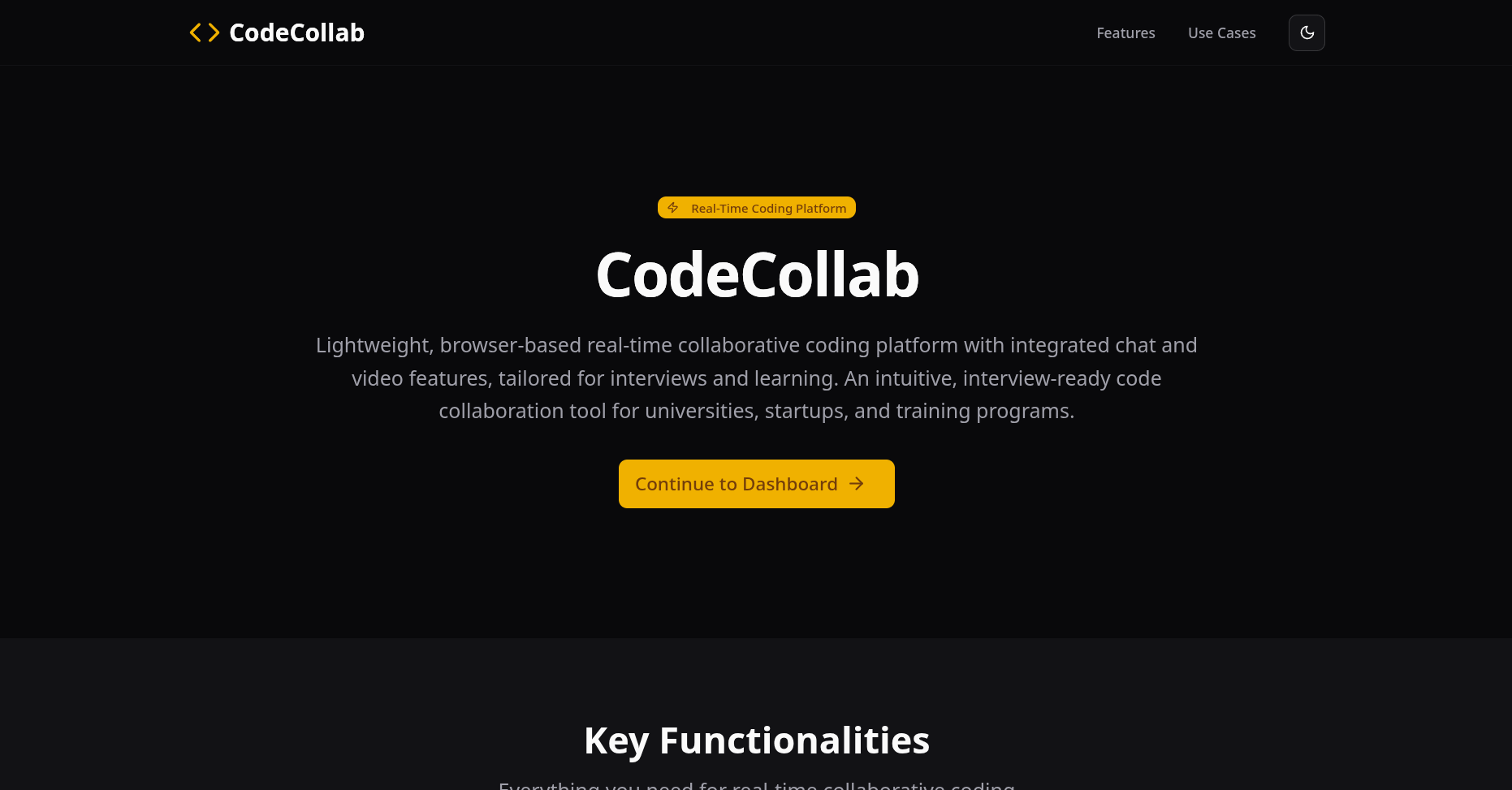
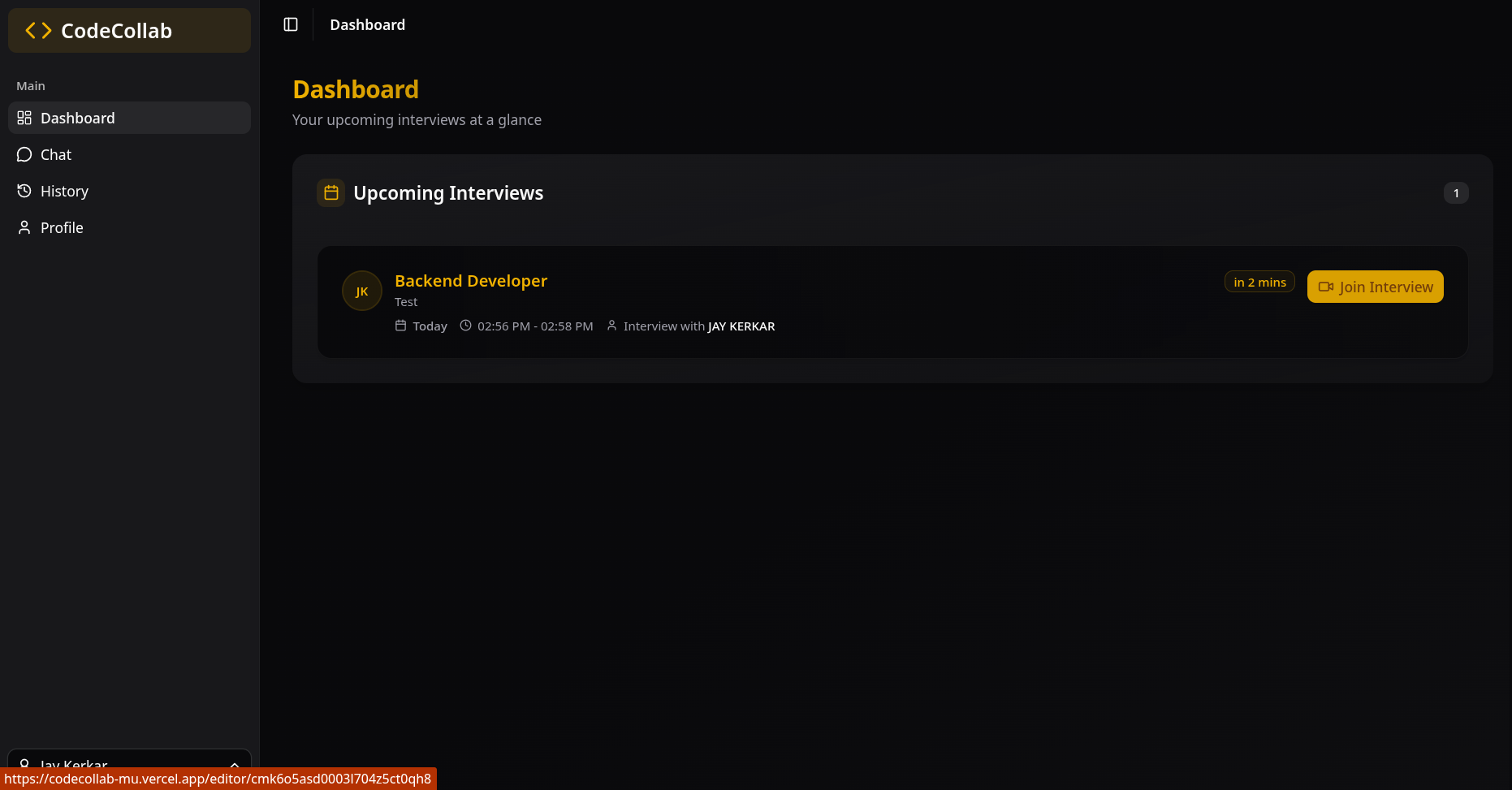
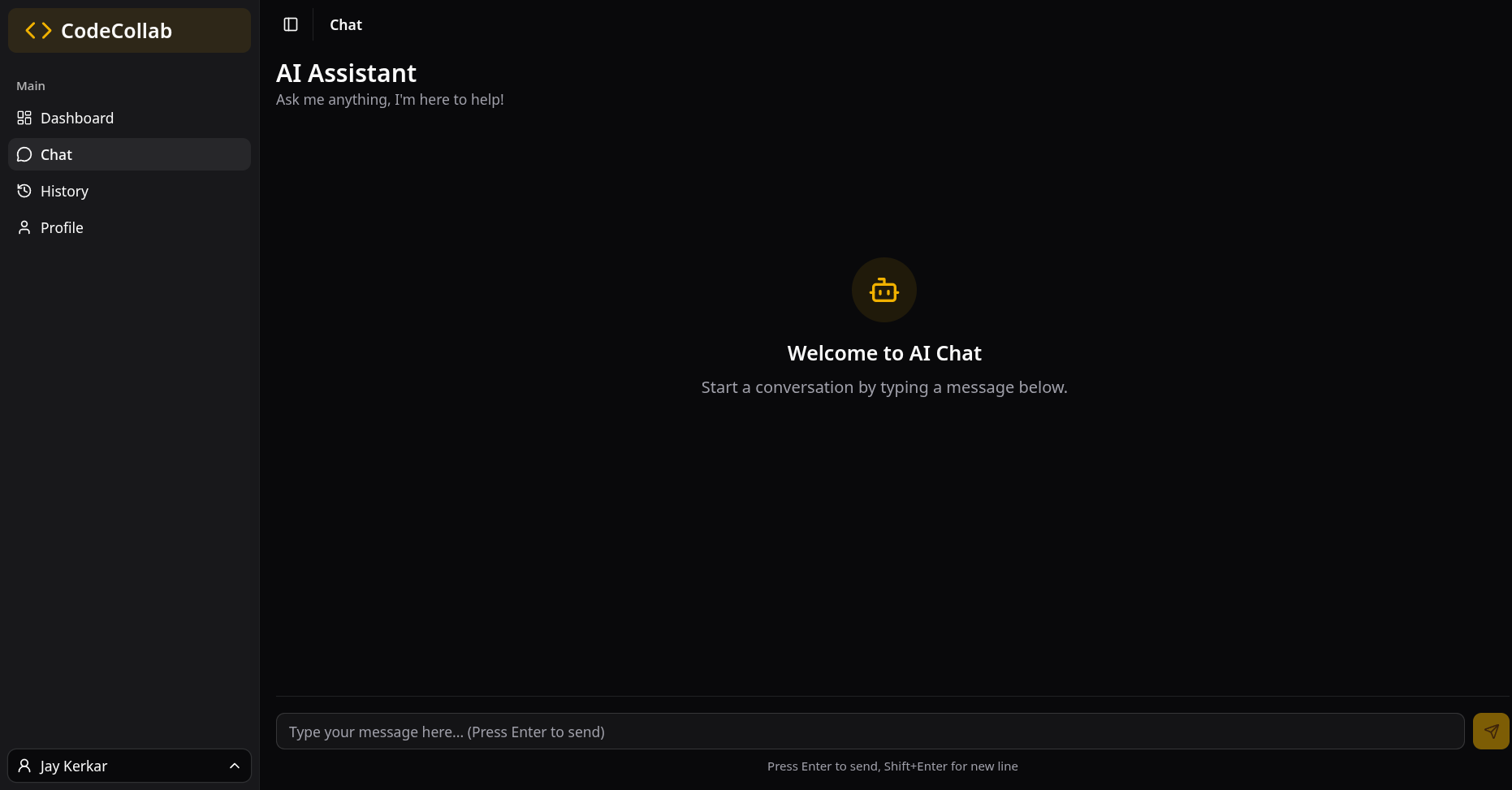
CodeCollab solves these issues by offering a unified, real-time, and AI-assisted interview platform with built-in collaboration, monitoring, and intelligent evaluation.
Challenges we ran into
WebRTC Video Call Integration
Integrating real-time video calls using WebRTC within an already complex system was challenging, especially while ensuring stability, low latency, and smooth coexistence with live coding and monitoring features.Tool Calling with Local LLM Setup
Implementing tool/function calling using LM Studio in a local environment was new and non-trivial. Managing model behavior, request routing, and reliable responses required multiple iterations and careful prompt design.Real-Time Code Synchronization
Achieving seamless real-time code sync between interviewer and candidate was challenging. Using Tiptap for collaborative editing required precise state management to ensure consistency, performance, and conflict-free updates.